
Can Diaphragm Dysfunction Cause Acid Reflux?
Diaphragm acid reflux mechanisms are becoming increasingly discussed in functional digestive health.
Many people think chronic acid reflux is caused only by excess stomach acid. However, for some individuals, reflux symptoms may also involve breathing patterns, abdominal pressure, and diaphragm dysfunction.
This may help explain why chronic acid reflux sometimes:
- improves temporarily
- returns after medication
- worsens when lying down
- becomes worse during stress
In these situations, diaphragm acid reflux mechanisms may play an important role.
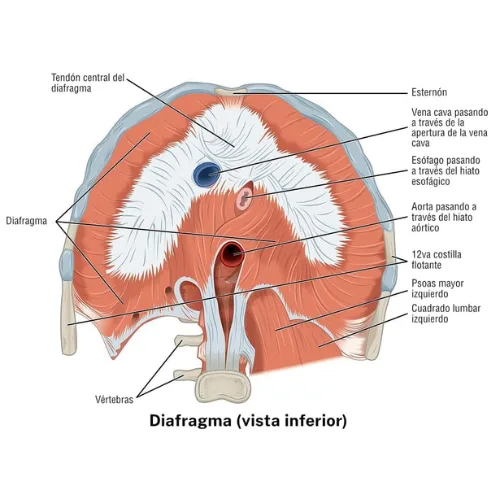
How Diaphragm Acid Reflux Mechanisms Work
The diaphragm is the main breathing muscle.
But it also helps support the gastroesophageal junction — the region between the esophagus and the stomach.
The lower esophageal sphincter, the valve that helps prevent reflux, works together with the diaphragm.
When diaphragm coordination becomes less efficient, this support may weaken.
For some individuals, this may contribute to chronic acid reflux symptoms becoming more frequent.
Research published through the National Institutes of Health suggests that gastroesophageal reflux disease involves multiple physiological mechanisms beyond acid exposure alone.
How Breathing Patterns May Influence Chronic Acid Reflux
Breathing patterns directly influence abdominal pressure and diaphragm mechanics.
Many people with chronic reflux symptoms develop:
- shallow breathing
- excessive upper chest breathing
- abdominal tension
- poor diaphragmatic coordination
Over time, these breathing patterns may alter pressure regulation around the stomach and esophagus.
This may favor chronic acid reflux symptoms in susceptible individuals.
You can also read:
👉 https://somatovisceral.com/en/acid-reflux/stress-and-acid-reflux/
Why Acid Alone May Not Explain Everything
Acid-reducing medication can be extremely important for many people with reflux symptoms.
However, if reflux also involves abdominal pressure, breathing mechanics, and diaphragm dysfunction, reducing acidity alone may not fully solve the problem.
This may help explain why some individuals:
- improve partially
- feel temporary relief
- but continue experiencing chronic acid reflux
You can also read:
👉 https://somatovisceral.com/en/acid-reflux/why-ppis-dont-fully-solve-acid-reflux/
A Functional Approach to Diaphragm Acid Reflux
A functional approach to diaphragm acid reflux looks beyond acidity alone.
This may include:
- breathing retraining
- diaphragm coordination
- abdominal pressure regulation
- muscular function
- digestive mechanics
Digestive physiotherapy may complement medical treatment by addressing these functional components.
Conclusion
For some individuals, chronic acid reflux may involve more than stomach acid alone.
Diaphragm dysfunction, breathing patterns, and abdominal pressure may all influence reflux symptoms and gastroesophageal support.
Understanding diaphragm acid reflux mechanisms can completely change how chronic reflux is approached.
Paulo Bastos provides online consultations worldwide for patients struggling with chronic acid reflux and functional digestive disorders.
👉 https://somatovisceral.com/contact/
Paulo Bastos is a Brazilian physiotherapist specialized in functional digestive disorders, including chronic acid reflux, bloating, abdominal distension, constipation, and abdominophrenic dyssynergia.